
BRAJMANDAL
The Eternal Abode of Lord Krishna
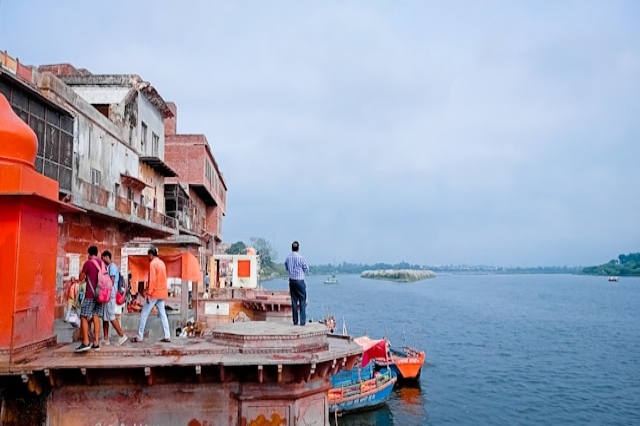
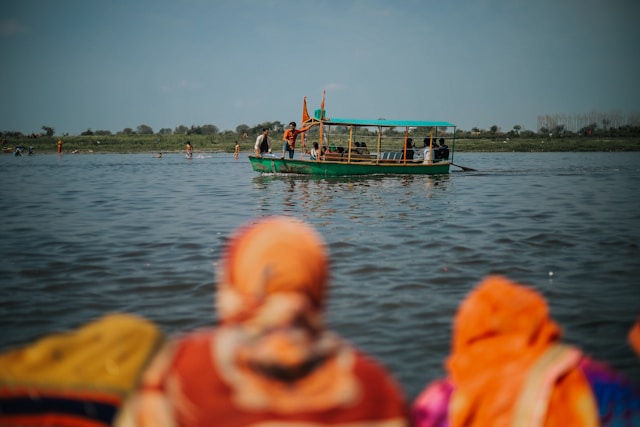
Vrindavan is located in the Mathura district of Uttar Pradesh, India, approximately 15 kilometers from Mathura city and about 140 kilometers south of Delhi. Situated on the banks of the sacred Yamuna River, this holy town is easily accessible by road and rail from major cities across India.
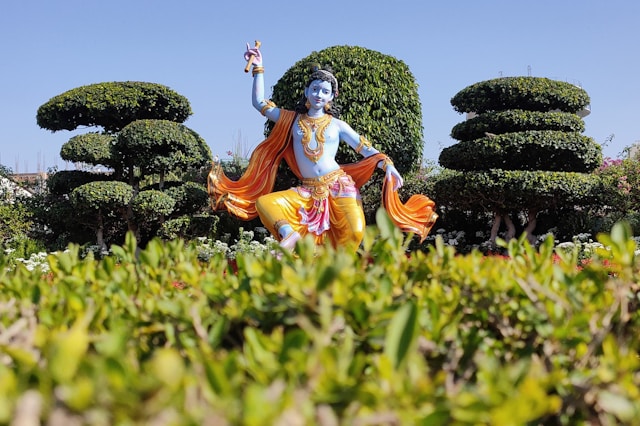
Vrindavan holds immense spiritual significance as the place where Lord Krishna spent his childhood and performed his divine leelas (pastimes). It is one of the most important pilgrimage sites for devotees of Lord Krishna and is considered one of the seven sacred cities (Sapta Puri) in Hindu tradition. The town attracts millions of pilgrims annually, particularly during festivals like Janmashtami, Holi, and Kartik Purnima.
Historical Background
The history of Vrindavan dates back over 5,000 years to the time of Lord Krishna’s incarnation during the Dwapara Yuga. The forests of Vrindavan witnessed the divine pastimes of Krishna with Radha and the Gopis. However, the modern religious significance of Vrindavan was revived in the 16th century during the Bhakti movement. Six Goswamis of Vrindavan, disciples of Saint Chaitanya Mahaprabhu, rediscovered many lost holy sites and established numerous temples that transformed Vrindavan into a major pilgrimage center.
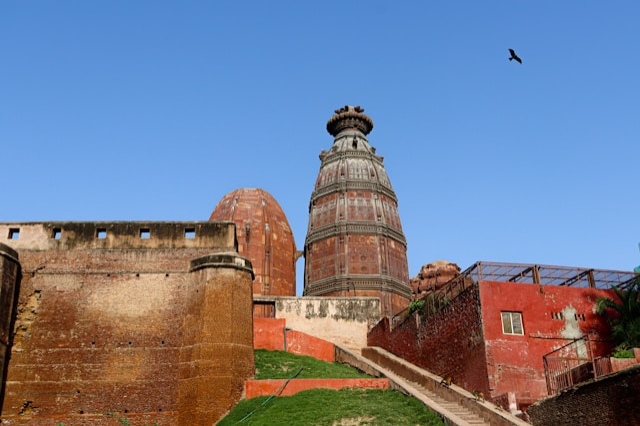
The Mughal period saw both patronage and challenges for Vrindavan’s temples. Many original structures were destroyed and later rebuilt. The town flourished under the protection of various Hindu kings and wealthy devotees who constructed magnificent temples and ghats.
Culture and Heritage
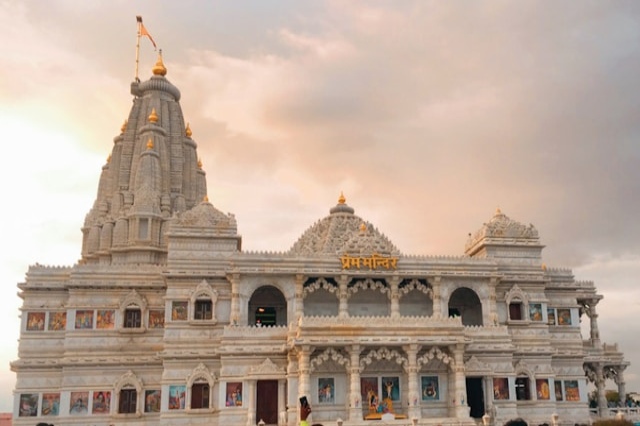
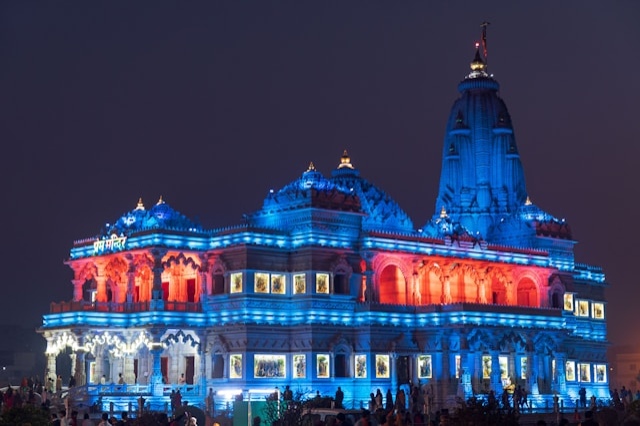
Vrindavan’s culture is deeply rooted in Krishna devotion and Vaishnavism. The town is a living museum of bhakti (devotional) traditions, with approximately 5,000 temples ranging from ancient structures to modern architectural marvels.
Key Cultural Elements:
- Rasleela Performances: Traditional dance-dramas depicting Krishna’s life are performed regularly
- Bhajan and Kirtan: Devotional singing is an integral part of daily life; the town resonates with spiritual music
- Parikrama: Devotees perform circumambulation of sacred sites, especially the 21-kilometer Vrindavan Parikrama
- Widow City: Vrindavan is home to thousands of widows who have devoted their lives to Krishna worship
- Festival Celebrations: Holi in Vrindavan is world-famous, celebrated weeks before the actual date with unique traditions like Phoolon ki Holi and Lath maar Holi
- Yamuna Aarti: Evening prayers at the ghats create a mesmerizing spiritual atmosphere
Architectural Heritage:
The temples of Vrindavan showcase diverse architectural styles from different periods, including Rajput, Mughal-influenced, and modern designs. Notable features include intricate carvings, colorful frescoes, and stunning marble work.
Local Traditions:
- Traditional prasad includes peda, a sweet offering associated with Krishna
- Tulsi (holy basil) worship is prominent
- Dress code often follows traditional Indian attire, especially in temples
- Sanskrit and Braj Bhasha are used in religious ceremonies alongside Hindi
Essential Information for Travelers
Best Time to Visit:
October to March (winter season); avoid extreme summers (April–June)
What to Experience:
- Temple hopping and darshan at major temples
- Yamuna aarti at sunset
- Traditional Rasleela performances
- Vrindavan Parikrama (pilgrimage circuit)
- Shopping for religious items, tulsi beads, and traditional clothes
Local Etiquette:
- Dress modestly (cover shoulders and legs)
- Remove footwear before entering temples
- Photography may be restricted in some temples
- Respect local customs and traditions