
HARIDWAR
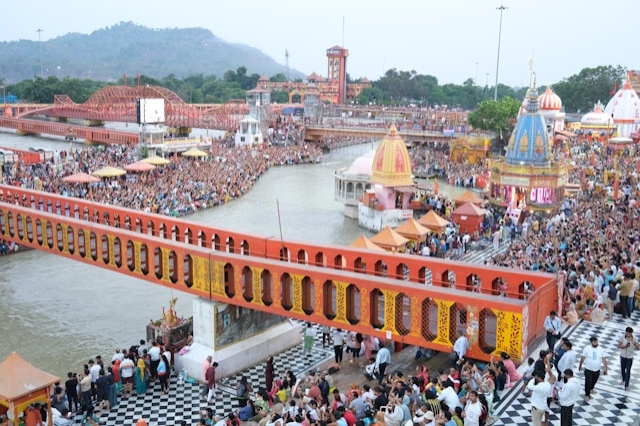
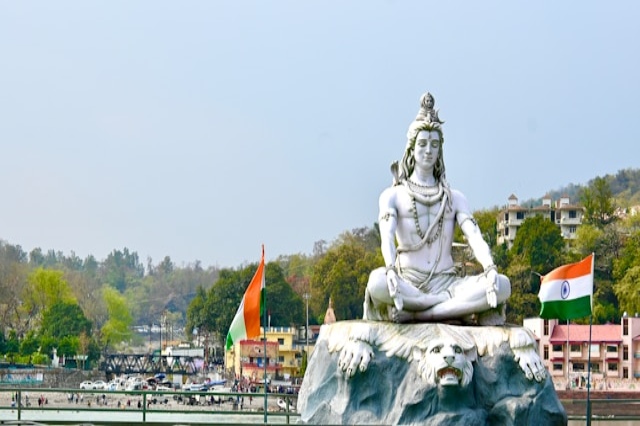
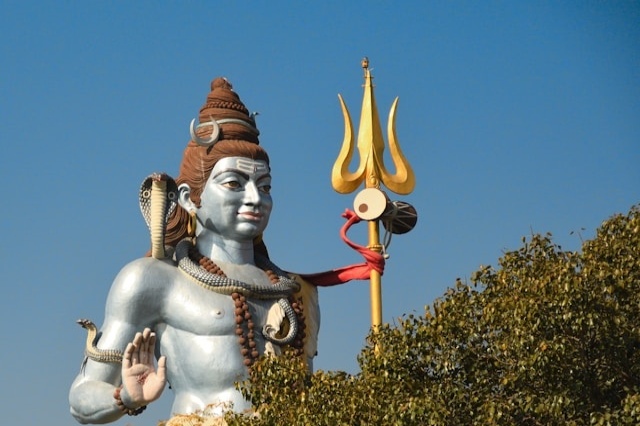
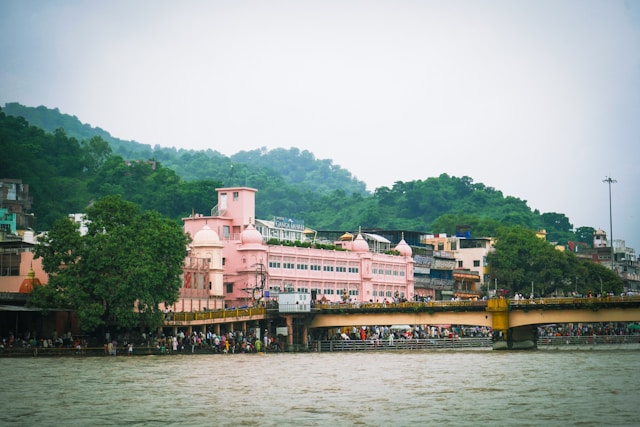
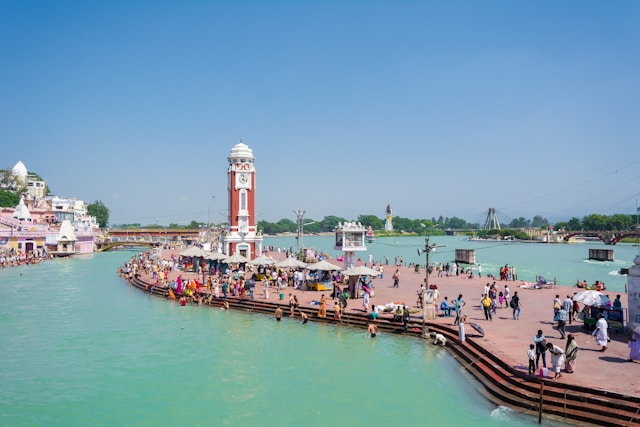
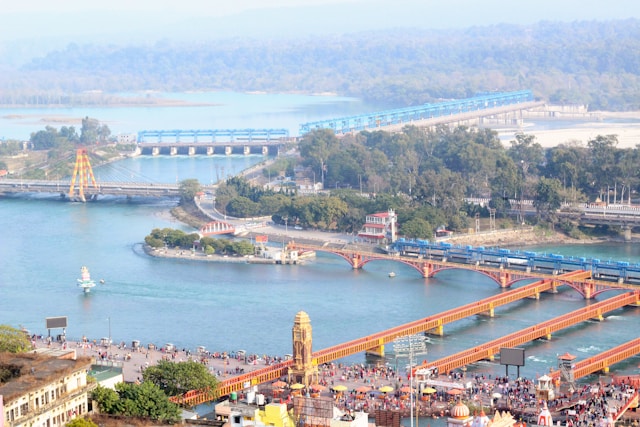
The Gateway to God – Har Ki Pauri
Haridwar is located in the Haridwar district of Uttarakhand state, in northern India. Situated at the foothills of the Himalayas where the sacred Ganga River emerges from the mountains onto the plains, Haridwar lies approximately 220 kilometers north of Delhi and 53 kilometers from Dehradun. The city sits at an elevation of about 314 meters above sea level.
Haridwar, meaning “Gateway to God” (Hari means God, Dwar means gateway), is one of the seven holiest cities in Hinduism and one of the four sites for the Kumbh Mela. The city is famous for Har Ki Pauri, the sacred ghat where Lord Vishnu is believed to have left his footprint. Haridwar is the point where the Ganga descends to the plains, making it exceptionally sacred. Millions of pilgrims visit annually to take a holy dip in the Ganga, believed to cleanse sins and provide moksha (liberation).
Historical Background
Ancient Period: Haridwar has been mentioned in ancient Hindu scriptures and epics, including the Mahabharata. The Pandavas are believed to have visited the city to perform rituals. Ancient texts describe Haridwar as one of the four places where drops of Amrit (nectar of immortality) fell during the churning of the cosmic ocean (Samudra Manthan).
Historical Names:
- Mayapuri – associated with Goddess Maya
- Kapila – after Sage Kapila who meditated here
- Gangadwar – Gateway of the Ganga
Medieval Period: Haridwar was ruled by various dynasties including the Mauryas, Guptas, kings of Kashmir, and regional Rajput clans.
Mughal Era: Mughal emperors showed interest in Haridwar. Emperor Akbar is believed to have visited and admired its spiritual significance.
Modern Era: During the 19th century British rule, Haridwar became more accessible due to improved infrastructure. After independence, it developed into a major pilgrimage and tourist destination while preserving its spiritual character.
Kumbh Mela History: Haridwar hosts the Ardh Kumbh Mela every six years and the Purna Kumbh Mela every twelve years — representing the world’s largest religious gathering.
Culture and Heritage
Haridwar’s culture is entirely centered around the Ganga and Hindu spirituality. The city pulses with religious fervor and traditional practices.
Religious Importance:
- Har Ki Pauri – most sacred ghat with Lord Vishnu’s footprint
- Brahma Kund – exact spot where Amrit fell
- Panch Tirtha – five sacred bathing spots
- Saptrishi Ashram – meditation site of seven sages
- Gateway for Char Dham Yatra
Cultural Practices:
- Ganga Aarti – grand evening ritual with lamps and chants
- Holy dip in the Ganga
- Asthi Visarjan and Pind Daan rituals
- Daily temple prayers
Festivals:
- Kumbh Mela & Ardh Kumbh
- Kanwar Yatra (Shravan month)
- Ganga Dussehra
- Kartik Purnima
- Somvati Amavasya
Ashrams & Spiritual Centers:
- Yoga and meditation training
- Vedic studies and discourses
- Ayurvedic treatments
- Traditional gurukul education
Lifestyle & Values:
- Strict vegetarianism
- No alcohol or non-vegetarian food
- Traditional dress at religious places
- Strong emphasis on purity and cleanliness
Architectural Heritage:
Ancient stone ghats, traditional temples, iconic clock tower, historic ashrams, dharamshalas, and modern pilgrim infrastructure.
Language & Education:
Hindi is the primary language, while Sanskrit is used in rituals. Gurukul Kangri University and other institutions teach Vedic studies, yoga, and Ayurveda.
Essential Information for Travelers
Best Time to Visit:
October–February (pleasant weather)
March–June (hot but manageable)
Avoid July–September monsoon
Visit during Kumbh Mela or Ganga Dussehra for unique experiences
What to Experience:
- Ganga Aarti at Har Ki Pauri
- Holy bath in the Ganga at dawn
- Mansa Devi, Chandi Devi & Maya Devi temples
- Cable car rides
- Rajaji National Park
- Religious shopping and local crafts
- Traditional vegetarian food
Local Etiquette & Tips:
- No meat, eggs, or alcohol
- Dress modestly
- Remove footwear at temples
- Do not pollute the Ganga
- Be cautious of touts and fake priests
- Photography may be restricted
- Book stays early during festivals
- Beware of strong river currents