
UJJAIN
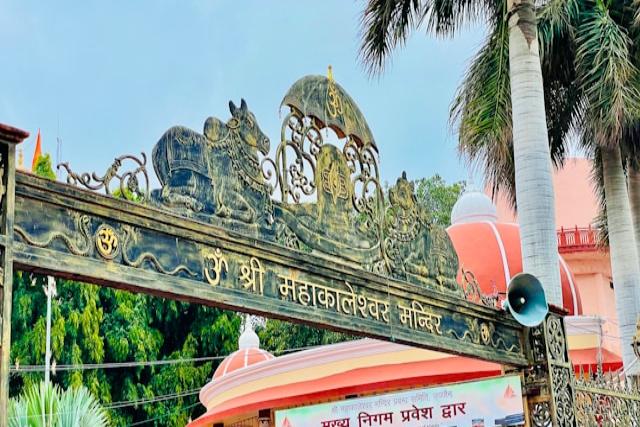
The Eternal City of Mahakal
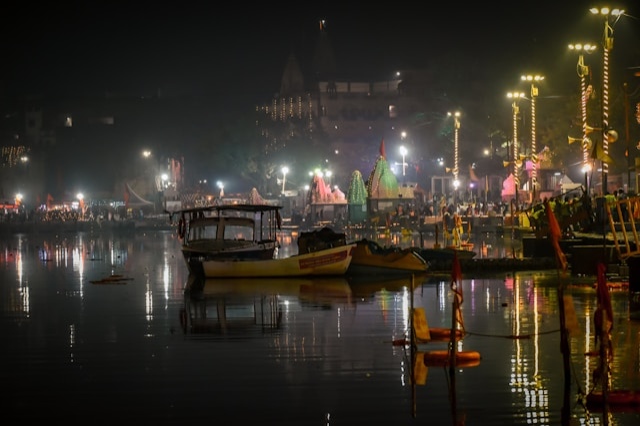
Ujjain is located in the Malwa region of Madhya Pradesh, central India, on the banks of the holy Shipra River. Situated approximately 55 kilometers from Indore (the nearest major city), Ujjain is well-connected by rail and road. The city lies at the first meridian of longitude in ancient Indian astronomy and geography.
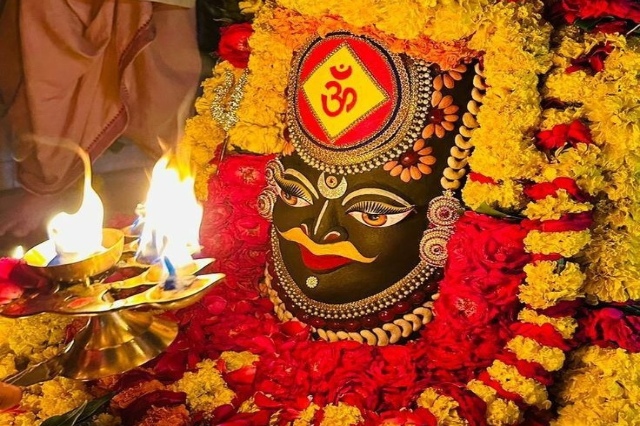
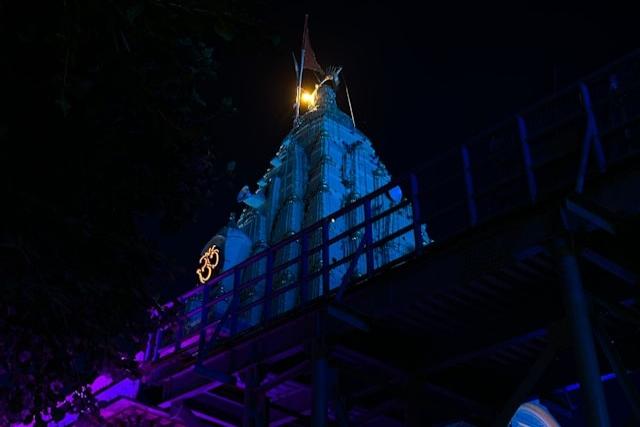
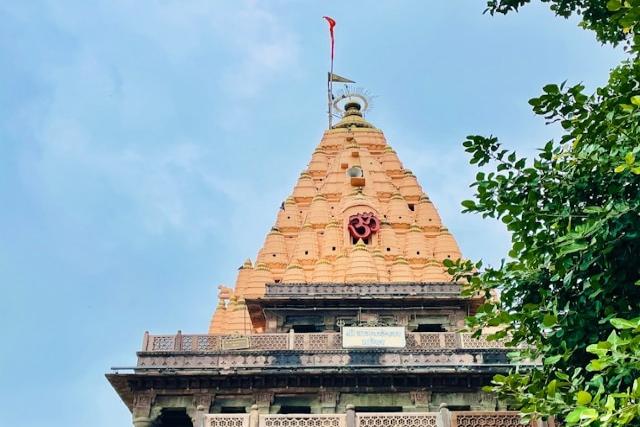
Ujjain is one of the seven sacred cities (Sapta Puri) in Hinduism and one of the four sites that host the Kumbh Mela, the largest religious gathering in the world. The city is primarily famous for the Mahakaleshwar Jyotirlinga, one of the twelve sacred Jyotirlingas in India. Ujjain’s spiritual significance is enhanced by its association with the legendary king Vikramaditya and its role as an ancient center of learning and astronomy.
Historical Background
Ujjain boasts a glorious history spanning over 2,500 years. Known as Avantika in ancient times, it served as the capital of the Avanti Kingdom and was one of the seven sacred cities mentioned in Hindu scriptures.
Ancient Period: Ujjain was a major center during the Mauryan Empire (322–185 BCE). Emperor Ashoka served as governor here before ascending the throne. The city flourished as a center of trade, culture, and learning.
Golden Age: During the Gupta period (4th–6th century CE), Ujjain reached its zenith under the patronage of King Vikramaditya. The legendary Nine Gems (Navaratnas), including the great poet Kalidasa and astronomer Varahamihira, adorned his court. Kalidasa’s masterpiece “Meghaduta” begins with a description of Ujjain.
Medieval Period: The city witnessed various rulers including the Paramaras, Delhi Sultanate, and eventually the Mughals. Despite political changes, Ujjain maintained its religious and cultural importance.
Maratha Era: Under the Scindias in the 18th century, Ujjain experienced revival and reconstruction of temples and infrastructure.
Culture and Heritage
Ujjain is a living testament to India’s ancient spiritual and scholarly traditions. The city seamlessly blends religious devotion with historical grandeur.
Religious
- Kumbh Mela: Every twelve years, Ujjain hosts the Simhastha Kumbh Mela, where millions of pilgrims gather for a holy dip in the Shipra River
- Jyotirlinga Worship: The Mahakaleshwar temple is unique as it houses a Swayambhu (self-manifested) lingam facing south (Dakshinamukhi)
- Astrological Importance: Ujjain sits on the Tropic of Cancer and the zero meridian of longitude in ancient Indian geography
- Tantric Traditions: The city has strong associations with tantric practices and Shakti worship
Cultural Elements:
- Classical Arts: Legacy of Kalidasa continues through classical music, dance, and poetry
- Astronomy: Ancient observatories and astronomical calculations were performed here; the city follows the Ujjain meridian time
- Philosophical Schools: Historical center for Vedic learning and philosophical debates
- Traditional Festivals: Mahashivratri attracts thousands of devotees; Kartik Fair is celebrated with great enthusiasm
Architectural Heritage:
The city features a mix of ancient temples, medieval structures, and modern buildings. Notable architectural styles include traditional Malwa design, Maratha influence, and ancient stone craftsmanship.
Local Traditions:
- Bhasma Aarti at Mahakaleshwar temple (unique ritual using sacred ash)
- Shipra River rituals and daily worship
- Traditional Malwa cuisine and sweets
- Handicrafts including metal work and religious items
Essential Information for Travelers
Best Time to Visit:
October to March; visit during Mahashivratri (February/March) for special celebrations
What to Experience:
- Bhasma Aarti at Mahakaleshwar Temple (early morning)
- Ram Ghat on Shipra River for evening aarti
- Ancient temples and historical sites
- Vedha Shala (ancient observatory)
- Local markets for religious items and traditional crafts
Local Etiquette:
- Maintain sanctity at religious sites
- Modest dress required in temples
- Respect local customs during religious ceremonies
- Photography restrictions at certain temples