
UTTARAKHAND
The Land of Gods – Dev Bhoomi
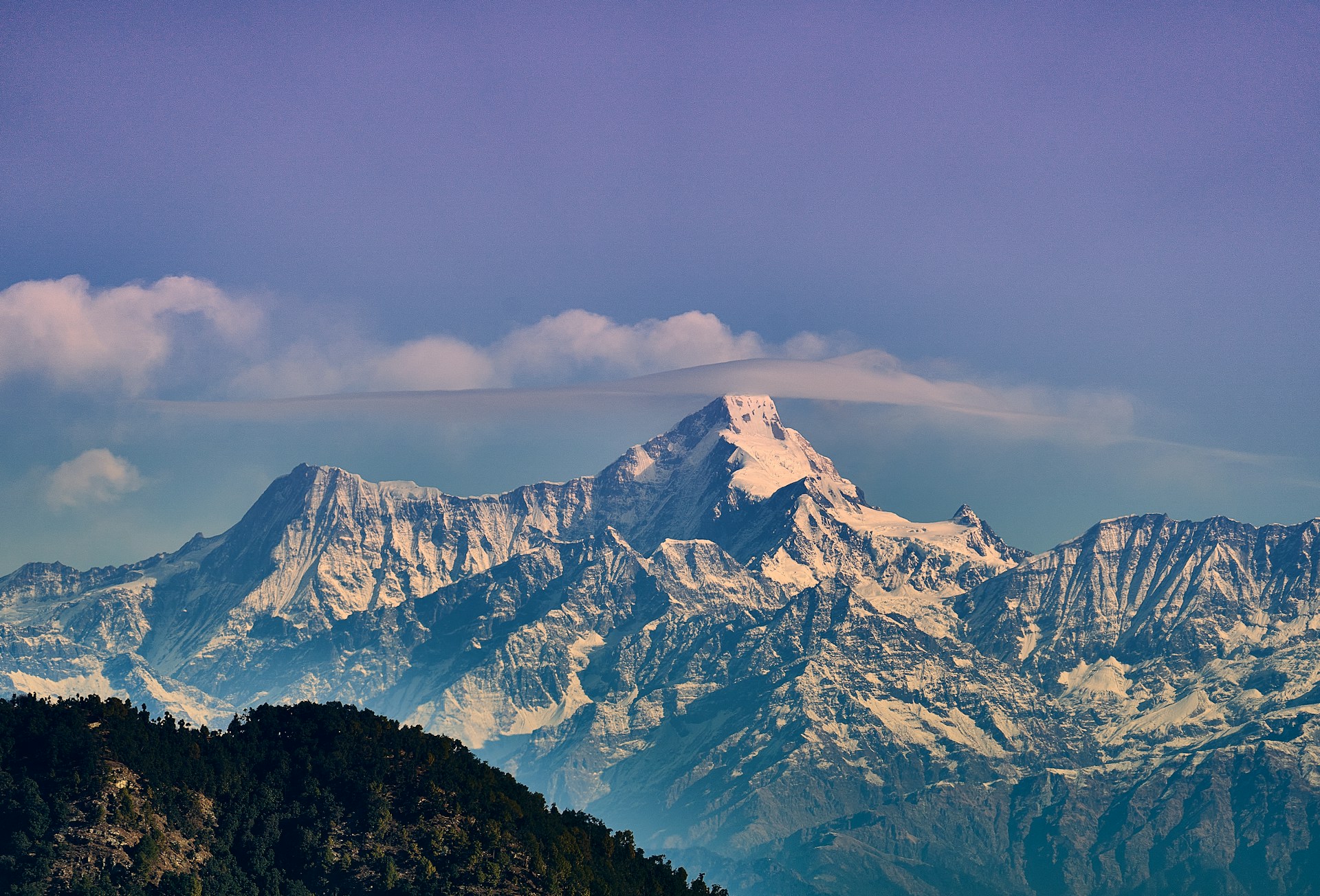
Uttarakhand is a northern state of India, nestled in the lap of the Himalayas. Bordered by Tibet to the north, Nepal to the east, Uttar Pradesh to the south, and Himachal Pradesh to the northwest, this mountainous state covers an area of 53,483 square kilometers. The state capital is Dehradun (winter) and Gairsain (summer), though Dehradun serves as the primary administrative center.
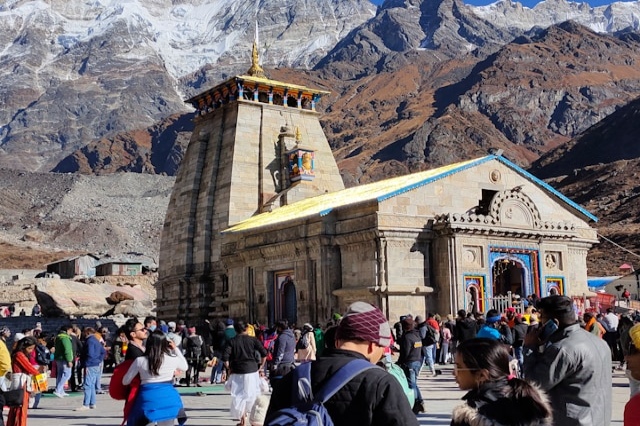
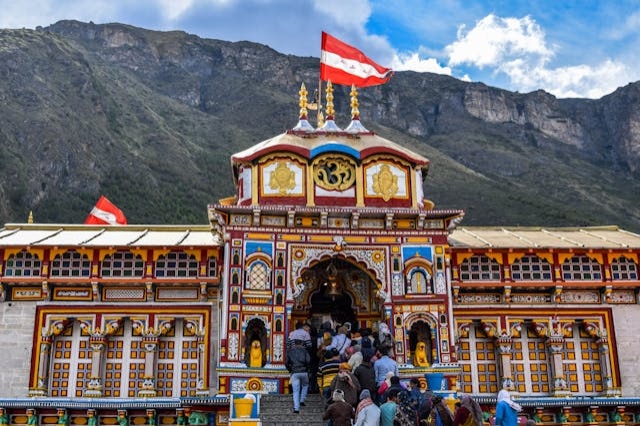
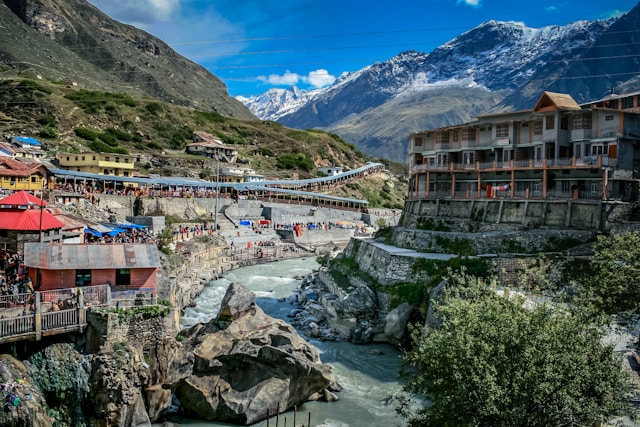
Uttarakhand is reverently called “Dev Bhoomi” (Land of Gods) due to its numerous Hindu temples and pilgrimage centers. The state is home to the sacred Char Dham (four abodes): Yamunotri, Gangotri, Kedarnath, and Badrinath. The holy rivers Ganga and Yamuna originate here, making it one of the most spiritually significant regions in India. Beyond spirituality, Uttarakhand is famous for its pristine natural beauty, adventure tourism, yoga centers (particularly Rishikesh), and rich biodiversity.
Historical Background
Ancient Era: Uttarakhand finds mention in Hindu scriptures including the Vedas, Puranas, and epics. The region was known as Uttarakhand (northern section) of the ancient Kuru and Panchal kingdoms. The Mahabharata describes the Pandavas’ journey through these mountains to reach heaven.
Medieval Period: The Katyuri dynasty (7th–11th century) ruled the region and established several temples. Later, the Chand dynasty governed Kumaon (1560–1790), while the Gorkhas ruled Garhwal briefly before being defeated by the British in 1815.
British Era: Under British rule, the region was divided into two provinces: Garhwal and Kumaon. Hill stations like Mussoorie and Nainital were developed during this period. The region played a significant role in India’s independence movement.
Modern Uttarakhand: After independence, the region was part of Uttar Pradesh until November 9, 2000, when Uttarakhand became the 27th state of India following a long people’s movement for statehood.
Culture and Heritage
Uttarakhand’s culture is a beautiful amalgamation of religious devotion, mountain traditions, and diverse ethnic communities.
Regional Divisions:The state has two main cultural regions:
Garhwal: Western region with its own dialect, traditions, and cultural practices
Kumaon: Eastern region with distinct language, customs, and heritage
Religious and Spiritual Heritage:
- Char Dham Yatra: The most sacred pilgrimage circuit in Hinduism
- Panch Prayag: Five sacred river confluences in Garhwal
- Hemkund Sahib: Important Sikh pilgrimage site
- Ancient Ashrams: Rishikesh and Haridwar host numerous yoga and meditation centers
- Shakti Peethas: Several important temples dedicated to Goddess Shakti
Cultural Traditions:
Folk Music and Dance: Garhwali and Kumaoni folk songs, Langvir Nritya, Jhora, Chaufula, and Chhopati are traditional dance forms
Festivals:
- Ganga Dussehra
- Nanda Devi Raj Jat (once in 12 years)
- Harela festival (celebrating greenery)
- Phool Dei (flower festival)
- Ghee Sankranti
Traditional Attire:
Ghagra-choli for women, traditional caps and kurta-pajama for men
Arts and Crafts:
- Aipan (ritual floor art)
- Wood carving
- Woolen handicrafts
- Ringaal (bamboo) crafts
Cuisine:
Traditional Garhwali and Kumaoni cuisine includes:
Kafuli, Jhangora ki kheer, Chainsoo, Bhatt ki Churkani
Bal Mithai and Singal are popular sweets
Locally grown millets, pulses, and organic produce
Architectural Heritage:
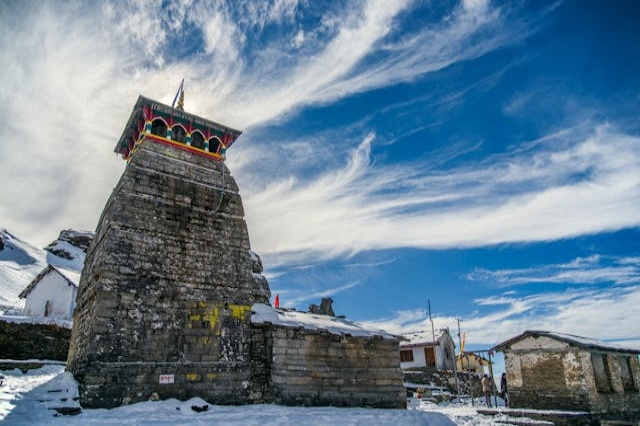
Ancient stone temples with intricate carvings
Traditional wooden houses (Kath-Khuni architecture)
British-era colonial buildings in hill stations
Modern pilgrimage infrastructure
Biodiversity and Nature:
Home to two major ecosystems (Himalayan and plains), Uttarakhand hosts several national parks including Jim Corbett, Rajaji, Nanda Devi, and Valley of Flowers (UNESCO World Heritage Sites).
Essential Information for Travelers
Best Time to Visit:
Summer (March–June): Ideal for hill stations and general tourism
Monsoon (July–September): Beautiful but landslide risks
Winter (October–February): Cold but suitable for plains; snow in mountains
Char Dham Yatra: May to October (temples closed in winter)
What to Experience:
- Char Dham pilgrimage (Yamunotri, Gangotri, Kedarnath, Badrinath)
- Ganga Aarti in Haridwar and Rishikesh
- Adventure sports: Trekking, river rafting, paragliding, skiing
- Yoga and meditation retreats
- Wildlife safaris
- Hill station exploration
- Village tourism for authentic Pahadi culture
Local Etiquette:
- Respect religious sentiments at temples and ghats
- Avoid plastic in eco-sensitive areas
- Dress modestly, especially at religious sites
- Follow guidelines during trekking and in national parks
- Support local communities and sustainable tourism
Important Note: Many high-altitude areas require permits; check weather conditions before visiting remote regions.